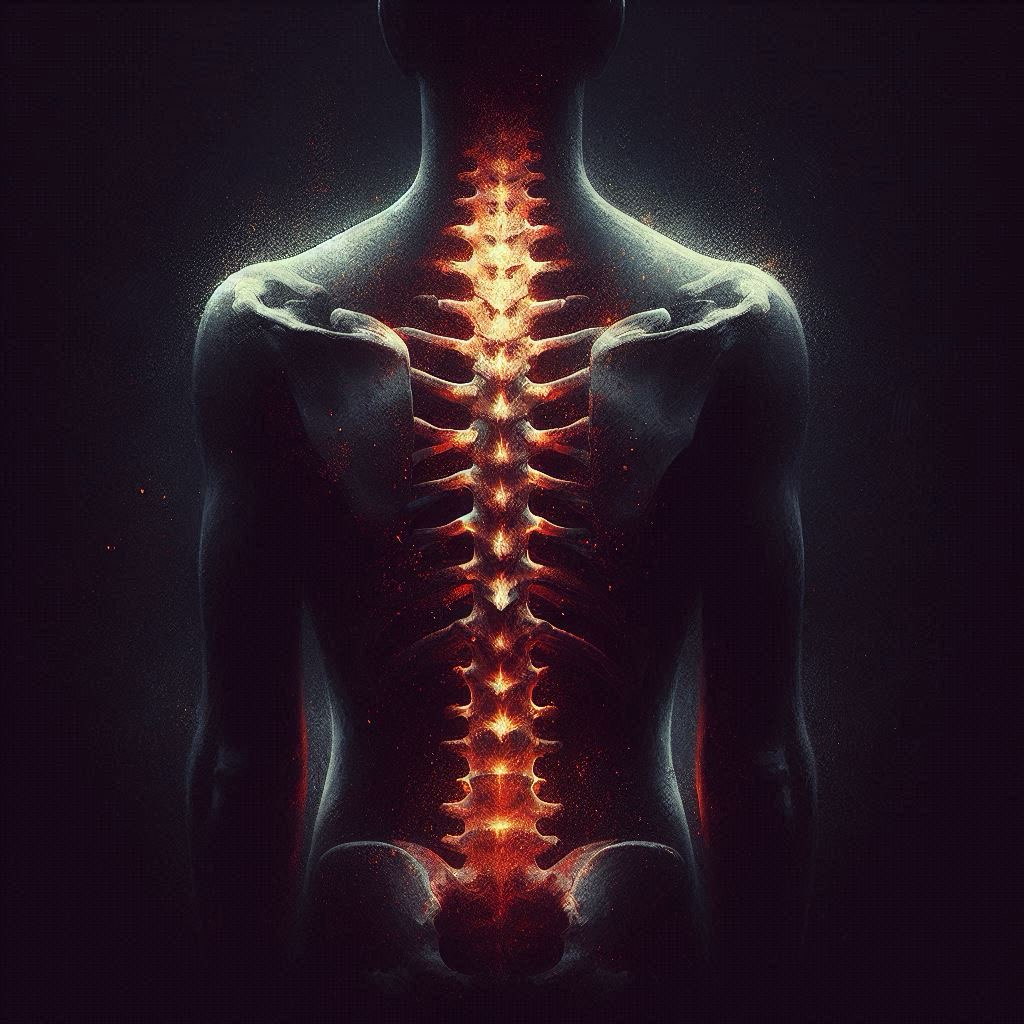
I was recovering from another fusion surgery, the kind that rearranges pain, the kind that asks your body to trust metal more than memory. My spine held, barely. But love didn’t need posture; it needed proximity.
So I slept on the couch to watch Mom. She was 87 and frail. Her breath was a tether; her steps were soft, but I counted them like prayers. The hallway light stayed on; the pill cup sat on the counter like a promise. I curled into the cushions like a sentinel.
She fell, not in slow motion, but slow enough to break me. The cup tipped; her hand flailed. My body moved too late. I watched her fall because I couldn’t reach her.
He said I was always with her, and not him, as if love were a ledger, as if devotion could be divided like property. But she needed help to stand, to breathe, to remember. He needed attention; she needed survival.
His military service of eleven months ended with a dismissal, not for misconduct, but for a personality disorder. He was 19. Over the years, it slowly turned into narcissism.
But I wasn’t wrong to hope. Hope is not foolish; it’s just heavy.
He said I was always with her, and not him. But I slept on the couch to watch her, because presence is not posture; it’s proximity.
© Jaime Pearson 2024. All rights reserved.

Leave a Reply